What Do Lenders Require in a Phase I ESA in New Jersey?
When financing a commercial real estate transaction, lenders carefully evaluate potential risks associated with the property. One of the most important aspects of this due diligence process is environmental risk. Contaminated properties can lead to costly cleanup obligations, legal liability, and reduced property value.
To protect themselves and ensure responsible lending practices, many financial institutions require a Phase I Environmental Site Assessment (ESA) before approving a commercial real estate loan. For borrowers and property buyers in New Jersey, understanding what lenders expect from a Phase I ESA can help prevent delays during the financing process.

In this article, we’ll explain what lenders typically require in a Phase I ESA in New Jersey, what the report includes, and how working with an experienced environmental consultant can help ensure your transaction moves forward smoothly.
Why Lenders Require Environmental Due Diligence
Environmental contamination can create significant financial risks for lenders. If a property is contaminated, cleanup costs can reach hundreds of thousands or even millions of dollars. In some cases, lenders may face legal complications if a property they financed becomes subject to environmental enforcement actions.
Because of these risks, lenders require environmental due diligence before financing commercial real estate transactions. A Phase I ESA helps lenders determine whether the property presents potential environmental concerns that could affect its value or create liability.
By reviewing a professional environmental assessment, lenders can better evaluate whether a property represents an acceptable risk for financing.
What Is a Phase I ESA in Commercial Real Estate Lending?
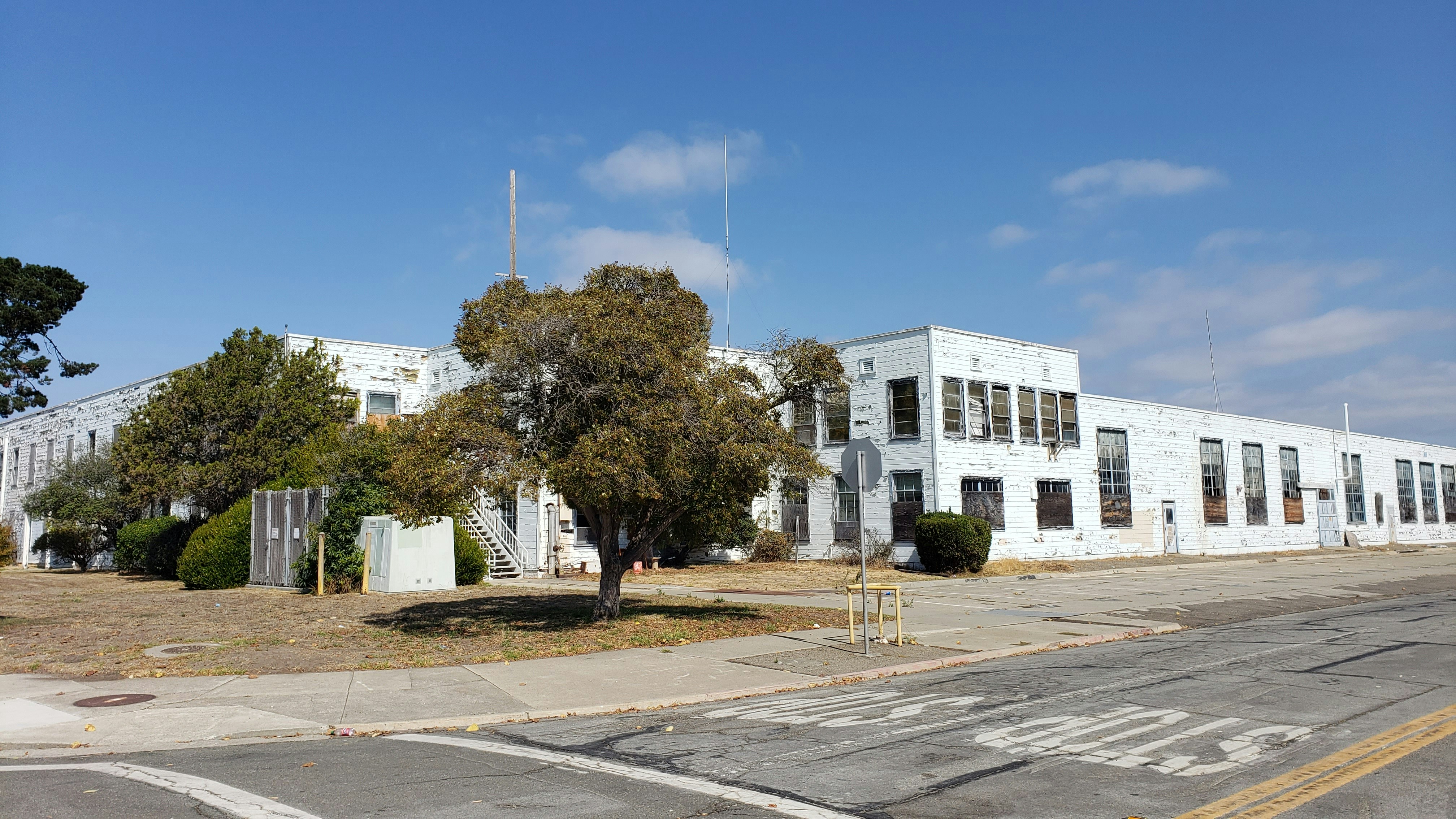
A Phase I Environmental Site Assessment (ESA) is a professional investigation that evaluates the current and historical use of a property to identify potential environmental concerns.
The purpose of the assessment is to determine whether the property may have Recognized Environmental Conditions (RECs). These are environmental conditions that indicate the potential presence of hazardous substances or petroleum contamination on the site.
Phase I ESAs are widely used in commercial real estate transactions because they provide buyers and lenders with valuable information about a property's environmental history.
In addition to helping lenders assess risk, completing a Phase I ESA can also help property buyers qualify for liability protection under the federal Comprehensive Environmental Response, Compensation, and Liability Act (CERCLA).
ASTM E1527-21: The Standard Lenders Require
Most lenders require Phase I Environmental Site Assessments to follow the ASTM E1527-21 standard, which is the current industry standard for environmental due diligence.
ASTM standards establish guidelines for how environmental professionals must conduct Phase I ESAs. These standards define the scope of work, research methods, and reporting requirements necessary to properly evaluate environmental risks.
When a Phase I ESA follows ASTM E1527-21 standards, lenders can be confident that the assessment meets federal All Appropriate Inquiry (AAI) requirements. This ensures the investigation was conducted using recognized environmental due diligence practices.
Because of this, lenders typically will not accept environmental reports that do not comply with ASTM standards.
Key Components Lenders Expect in a Phase I ESA
A lender-acceptable Phase I ESA must include several key components. These elements help environmental professionals evaluate potential environmental risks associated with the property.
Environmental Database Review
Environmental consultants review federal, state, and local environmental databases to determine whether the property or nearby sites have been associated with hazardous materials, spills, or contamination.
This database review helps identify environmental incidents that could affect the property.
Historical Property Research
Historical research is a critical part of a Phase I ESA. Environmental professionals examine historical documents to determine how the property has been used over time.
Common historical sources include:
Aerial photographs
Sanborn fire insurance maps
Historical topographic maps
City directories
Property records
This research helps identify past activities such as manufacturing, gas stations, or dry cleaning operations that could create environmental risks.
Site Inspection
A qualified environmental professional conducts a physical inspection of the property to evaluate current site conditions.
During the inspection, the consultant looks for potential environmental indicators such as:
Underground storage tanks
Chemical storage areas
Stained soil or pavement
Waste disposal areas
Industrial equipment or operations
The inspection findings are documented in the final report.
Interviews
Interviews with property owners, occupants, or local officials may provide additional information about the site's environmental history. These interviews help verify historical property uses and identify potential environmental concerns.
Phase I ESA Report
All research findings, observations, and conclusions are compiled into a comprehensive Phase I ESA report. The report identifies any Recognized Environmental Conditions and may recommend additional investigation if necessary.
NJDEP Environmental Records Review
For properties located in New Jersey, environmental consultants must also review records maintained by the New Jersey Department of Environmental Protection (NJDEP).
NJDEP maintains several environmental databases that help identify known or suspected contamination issues. These records may include:
Known contaminated site listings
Spill incident reports
Underground storage tank registrations
Environmental enforcement records
Reviewing NJDEP databases helps environmental professionals determine whether the property or nearby sites have been associated with environmental incidents that could affect the property.
Because environmental regulations vary by state, working with consultants familiar with New Jersey environmental records and regulatory requirements can help ensure a thorough investigation.
When Lenders Require a Phase I ESA
Lenders typically require a Phase I Environmental Site Assessment during several types of commercial real estate transactions.
Common situations include:
Commercial property purchases
Commercial loan refinancing
Construction financing
Real estate development projects
Investment property acquisitions
In many cases, lenders will not approve financing until environmental due diligence is completed. Conducting a Phase I ESA early in the transaction process can help avoid delays during loan approval.
What Happens if a Phase I ESA Identifies Environmental Risks?
In many cases, a Phase I ESA concludes that no environmental concerns are present. When this occurs, the lender can proceed with the financing process with greater confidence.
However, if the assessment identifies potential environmental concerns, additional investigation may be recommended.
This may include a Phase II Environmental Site Assessment, which involves collecting soil, groundwater, or vapor samples to determine whether contamination is present.
If contamination is confirmed, additional remediation or environmental management steps may be required before a transaction can proceed.
How Oak Environmental Helps Meet Lender Requirements
At Oak Environmental, we work closely with property buyers, developers, lenders, and attorneys to provide reliable Phase I Environmental Site Assessments throughout New Jersey.
Our team understands the environmental due diligence requirements associated with commercial real estate financing. All Phase I ESA reports we provide follow ASTM E1527-21 standards, ensuring they meet lender expectations and federal All Appropriate Inquiry requirements.
In addition to delivering accurate environmental assessments, Oak Environmental focuses on efficiency. For many projects, we can complete a Phase I ESA in as little as 10 business days, helping clients meet tight real estate transaction timelines.
Our services support a wide range of clients, including:
Commercial real estate developers
Property buyers and investors
Financial institutions and lenders
Real estate attorneys
By combining local regulatory knowledge with efficient research and reporting processes, we help clients obtain reliable environmental due diligence without unnecessary delays.
Choosing the Right Environmental Consultant
Selecting the right environmental consultant can make a significant difference in both the quality and speed of a Phase I ESA.
When choosing a consultant, property buyers and lenders should look for firms that offer:
Experience conducting Phase I ESAs in New Jersey
Knowledge of NJDEP environmental regulations
ASTM-compliant environmental reports
Reliable turnaround times
Working with experienced environmental professionals ensures the assessment meets lender requirements and helps prevent delays during the financing process.
Final Thoughts
Lenders require Phase I Environmental Site Assessments to evaluate environmental risks associated with commercial properties. These assessments provide critical information about a property's environmental history and potential contamination concerns.
To meet lender expectations, Phase I ESAs must comply with ASTM E1527-21 standards and include comprehensive research, site inspection, and documentation.
For property buyers and developers in New Jersey, working with an experienced environmental consulting firm can help ensure that environmental due diligence is completed accurately and efficiently.
If you need a Phase I ESA in New Jersey that meets lender requirements, Oak Environmental provides reliable environmental assessments with fast turnaround times. In many cases, our team can complete Phase I ESA reports in as little as 10 days, helping keep your commercial real estate transaction on schedule.
Related Phase I ESA Articles:
How Much Does a Phase I ESA Cost in New Jersey?
How Fast Can You Get a Phase I ESA in New Jersey?
What Is Included in a 10-Day Phase I ESA in New Jersey?
Need a 10-Day Phase I ESA in New Jersey? Request a quote.