What Is Included in a 10-Day Phase I ESA in New Jersey?
Commercial real estate transactions often move quickly. Buyers, lenders, and developers frequently need environmental due diligence completed within tight deadlines to keep projects on schedule. One of the most common environmental requirements during these transactions is a Phase I Environmental Site Assessment (ESA).
Traditionally, Phase I ESAs can take two to four weeks to complete. However, many environmental consulting firms now offer expedited Phase I ESA services, allowing the assessment to be completed in as little as 10 business days.
For property buyers and lenders in New Jersey, a common question is: what exactly is included in a 10-day Phase I ESA, and does the faster timeline affect the quality of the assessment?
The answer is that a properly conducted 10-day Phase I ESA still includes all the essential elements required by industry standards. The difference lies in the efficiency and experience of the environmental consulting team performing the work.

Why Fast Environmental Due Diligence Is Often Needed
Real estate transactions are often driven by strict timelines. Loan approvals, contract deadlines, and development schedules can all depend on completing environmental due diligence quickly.
Environmental assessments are particularly important because they help identify potential contamination issues that could affect the property’s value or create legal liabilities for buyers and lenders.
If environmental concerns are discovered late in the transaction process, they can delay financing or even halt the deal entirely. For this reason, many real estate professionals now request accelerated Phase I ESA services to avoid unnecessary delays.
A 10-day Phase I ESA allows buyers and lenders to obtain critical environmental information quickly while still meeting regulatory and industry requirements.
Environmental Risk in Commercial Properties
Environmental due diligence is essential because contamination risks are more common than many property buyers realize.
Industry research shows that approximately 20% to 30% of Phase I Environmental Site Assessments identify potential environmental concerns, known as Recognized Environmental Conditions (RECs).
These risks are often associated with historical property uses such as:
Gas stations
Manufacturing facilities
Automotive repair shops
Dry cleaning operations
Chemical storage or industrial processing
In New Jersey, environmental oversight is managed by the New Jersey Department of Environmental Protection (NJDEP). The state maintains extensive environmental databases and records related to contaminated sites, spills, and underground storage tanks.
Because of the state’s long industrial history, thousands of properties across New Jersey have been investigated or remediated for environmental contamination. This is one of the primary reasons lenders and investors frequently require environmental assessments before approving commercial real estate transactions.
A Phase I ESA helps identify these risks early so buyers and lenders can make informed decisions.
What a 10-Day Phase I ESA Means
A 10-day Phase I ESA does not mean that steps are skipped or that the assessment is less thorough. The investigation must still follow the same professional standards required for all Phase I Environmental Site Assessments.
Most lenders and investors require Phase I ESAs to comply with the ASTM E1527-21 standard, which establishes the guidelines for environmental due diligence.
This standard ensures that the assessment meets federal All Appropriate Inquiry (AAI) requirements under environmental liability laws such as the Comprehensive Environmental Response, Compensation, and Liability Act (CERCLA).
In other words, a 10-day Phase I ESA includes the same core components as a traditional Phase I ESA, but the process is completed more efficiently.
Environmental Database and Regulatory Records Review
One of the first steps in a Phase I ESA is reviewing environmental databases maintained by federal, state, and local agencies.
Environmental professionals analyze these records to determine whether the property or nearby sites have been associated with environmental incidents or contamination.
In New Jersey, this research typically includes reviewing records from:
U.S. Environmental Protection Agency (EPA) databases
New Jersey Department of Environmental Protection (NJDEP) databases
Spill incident reports
Underground storage tank registrations
Known contaminated site listings
These records help environmental professionals identify historical environmental issues that may affect the property.
Historical Property Use Research
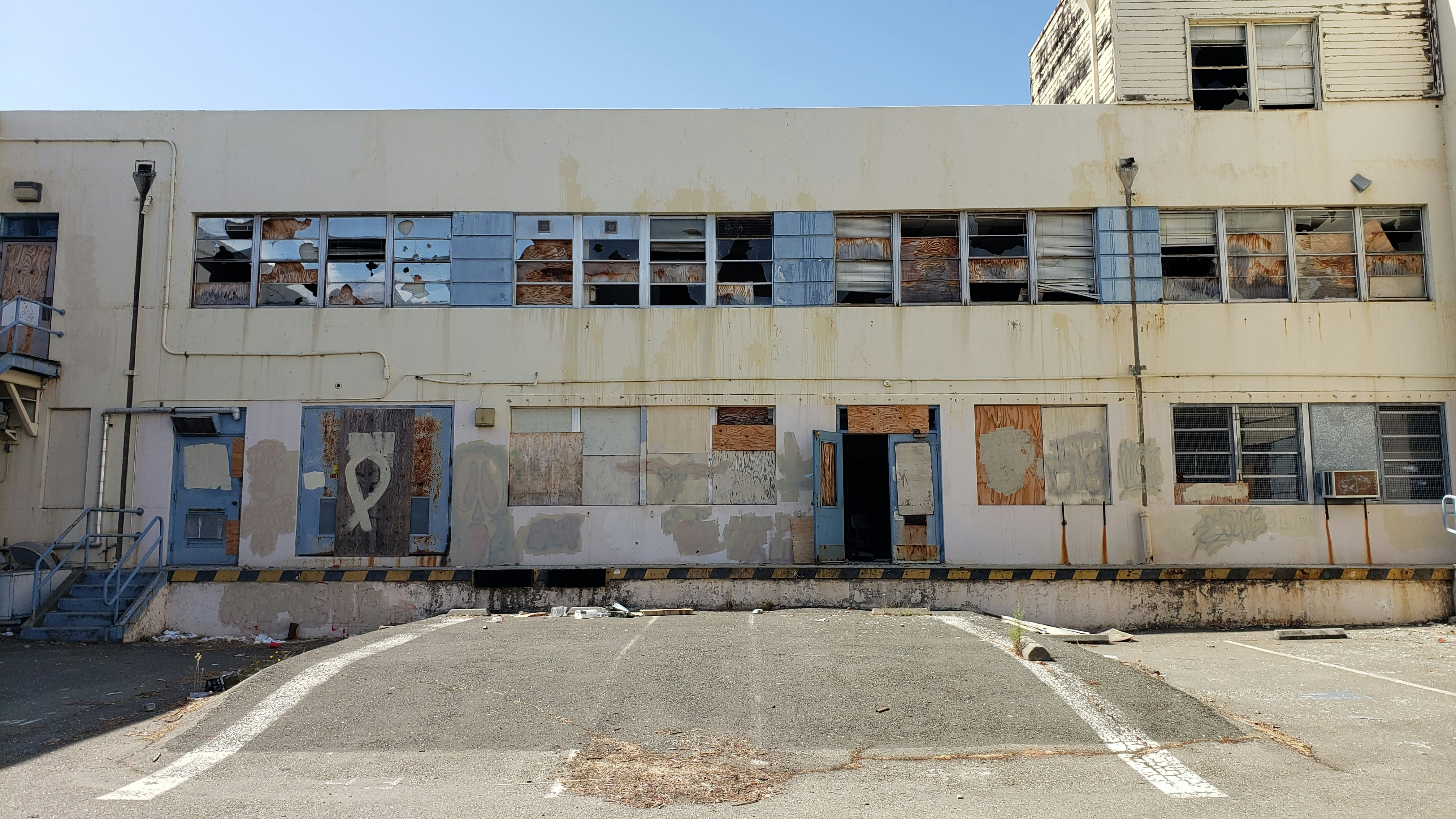
Understanding how a property was used in the past is another critical component of a Phase I ESA. Certain historical uses are more likely to involve hazardous materials or environmental contamination.
Environmental consultants typically review several historical sources to evaluate past property uses, including:
Historical aerial photographs
Sanborn fire insurance maps
Historical topographic maps
City directories
Land use records
These resources help determine whether the property previously hosted activities such as fuel storage, manufacturing, or chemical handling.
Historical research helps environmental professionals identify potential environmental risks that may not be visible during a site inspection.
Property Site Inspection
A physical site inspection is another essential part of a Phase I Environmental Site Assessment.
During the inspection, a qualified environmental professional visits the property to observe current conditions and identify potential indicators of contamination.
Some of the conditions typically evaluated during the site inspection include:
Underground storage tanks
Chemical or fuel storage areas
Stained soil or pavement
Waste disposal areas
Industrial equipment or operations
Signs of spills or leaks
Photographs and observations from the inspection are documented and included in the final Phase I ESA report.
Identification of Recognized Environmental Conditions (RECs)
The primary goal of a Phase I ESA is to determine whether Recognized Environmental Conditions (RECs) exist at the property.
A Recognized Environmental Condition is defined as the presence or likely presence of hazardous substances or petroleum products in soil, groundwater, or building materials.
Examples of potential RECs may include:
Historical underground fuel storage tanks
Evidence of chemical spills
Nearby contaminated properties
Historical industrial operations
Improper waste disposal practices
If a Phase I ESA identifies potential environmental risks, the report may recommend additional investigation.
Preparation of the Phase I ESA Report
Once the research, inspection, and analysis are complete, the environmental consultant prepares a Phase I Environmental Site Assessment report.
The report typically includes:
Environmental database findings
Historical research results
Site inspection observations
Identification of Recognized Environmental Conditions
Environmental risk evaluation
Recommendations for further investigation if necessary
This report is used by property buyers, lenders, investors, and attorneys to evaluate environmental risks associated with the property.
How Oak Environmental Delivers a 10-Day Phase I ESA
At Oak Environmental, we understand that commercial real estate transactions often move quickly. Buyers, lenders, and developers frequently need environmental assessments completed within tight deadlines.
Our team provides Phase I Environmental Site Assessments throughout New Jersey, with many projects completed in as little as 10 business days.
We are able to deliver faster turnaround times by combining:
Experienced environmental professionals
Efficient research and records review processes
Local expertise in New Jersey environmental regulations
Streamlined report preparation
All Phase I ESA reports provided by Oak Environmental follow ASTM E1527-21 standards and meet lender requirements for environmental due diligence.
Our services are commonly used by:
Commercial real estate developers
Property investors and buyers
Financial institutions and lenders
Real estate attorneys
By working with a local environmental consulting firm familiar with NJDEP environmental records and regulatory processes, clients can often complete environmental due diligence more efficiently.
When a 10-Day Phase I ESA Is Most Useful
Fast environmental assessments are particularly valuable in situations where transaction timelines are tight.
A 10-day Phase I ESA may be helpful for:
Commercial property acquisitions
Real estate refinancing
Development financing
Investor due diligence
Time-sensitive property closings
Completing environmental due diligence quickly helps ensure that financing approvals and transaction deadlines remain on schedule.
Final Thoughts
A 10-day Phase I Environmental Site Assessment still includes all the essential elements required for environmental due diligence. Environmental database research, historical investigation, site inspection, and comprehensive reporting remain part of the process.
The difference is that an experienced environmental consulting firm can perform these tasks efficiently, allowing buyers and lenders to receive environmental reports much faster.
If you need a Phase I ESA in New Jersey with a fast turnaround, Oak Environmental provides reliable environmental assessments that meet lender requirements. For many projects, our team can deliver a complete Phase I ESA report in as little as 10 business days, helping keep your real estate transaction on schedule.
Related Phase I ESA Articles:
How Much Does a Phase I ESA Cost in New Jersey?
What Do Lenders Require in a Phase I ESA in New Jersey?
How Fast Can You Get a Phase I ESA in New Jersey?
Need a 10-Day Phase I ESA in New Jersey? Request a quote.